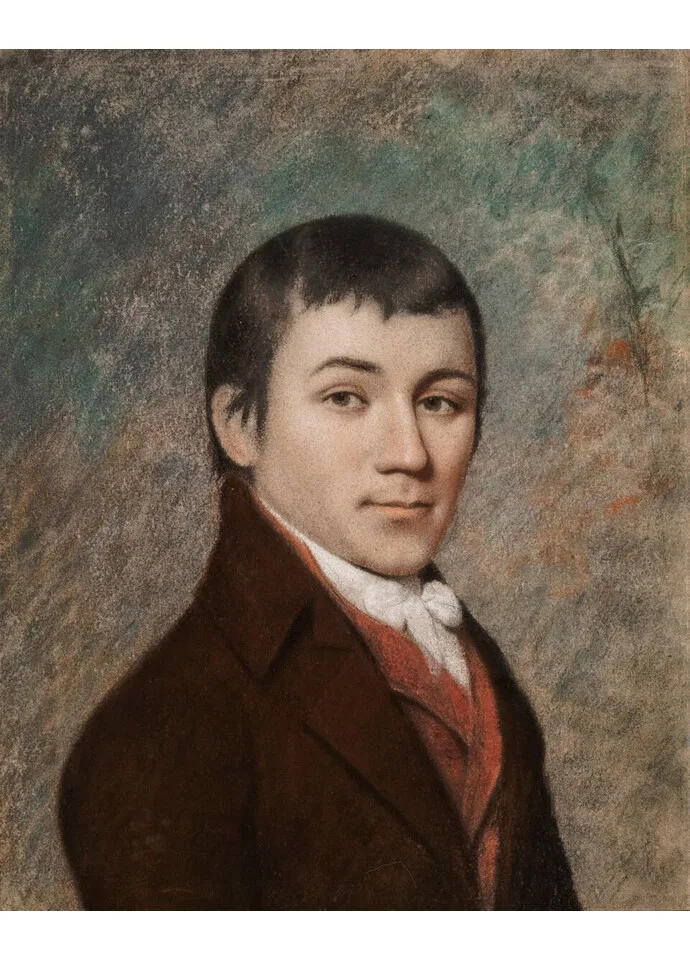
The American republic discovers its Gothic shadows.
Brown brought the Gothic novel into the houses, cities and unsettled spaces of the young United States. Fear arises from the failure to know another person, to trust a voice or to reconstruct an event.
On a quiet estate above the Schuylkill, a brother and sister live among books, music and friends. Then a voice begins to speak where no speaker can be seen.
His fiction takes American settings seriously as places of intellectual and moral uncertainty. The disturbance comes from within the new society.
Explore the life and work
Origins and early years
Born in Philadelphia, Brown first prepared for law. Writing and magazine editing became his principal occupation.
The course of a life
An extraordinary concentration of novels at the end of the 1790s established his place in early American fiction. Editorial and political writing continued alongside the works now most often remembered.
The literary work
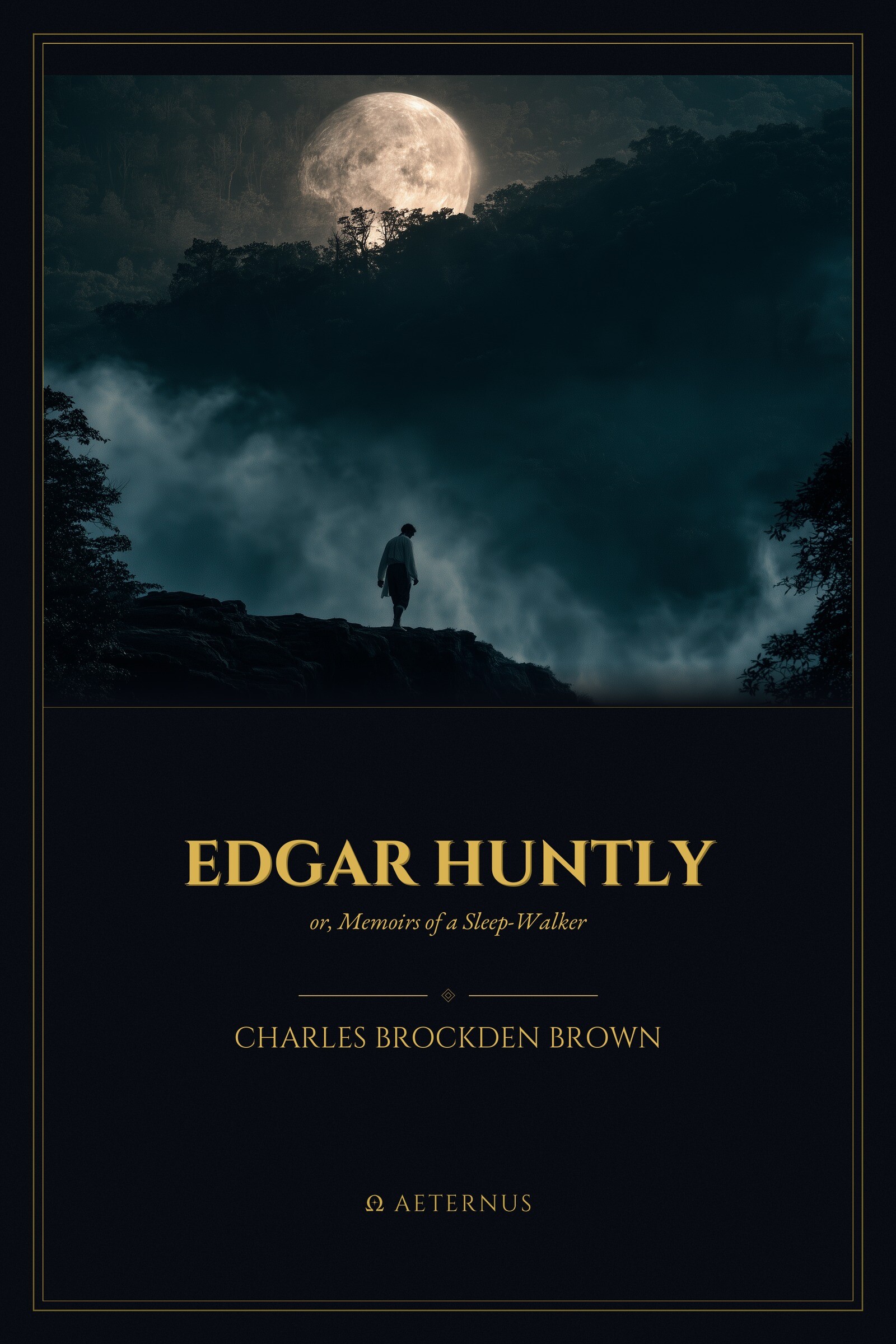
Wieland and Edgar Huntly build their plots around uncertain knowledge. Explanations arrive through witnesses who may themselves misunderstand what they report.
The legacy
Brown made the instability of perception a subject for American fiction. His novels ask readers to weigh a narrative while being drawn into it.