
AMBER
Rolf in the Woods (Illustrated)
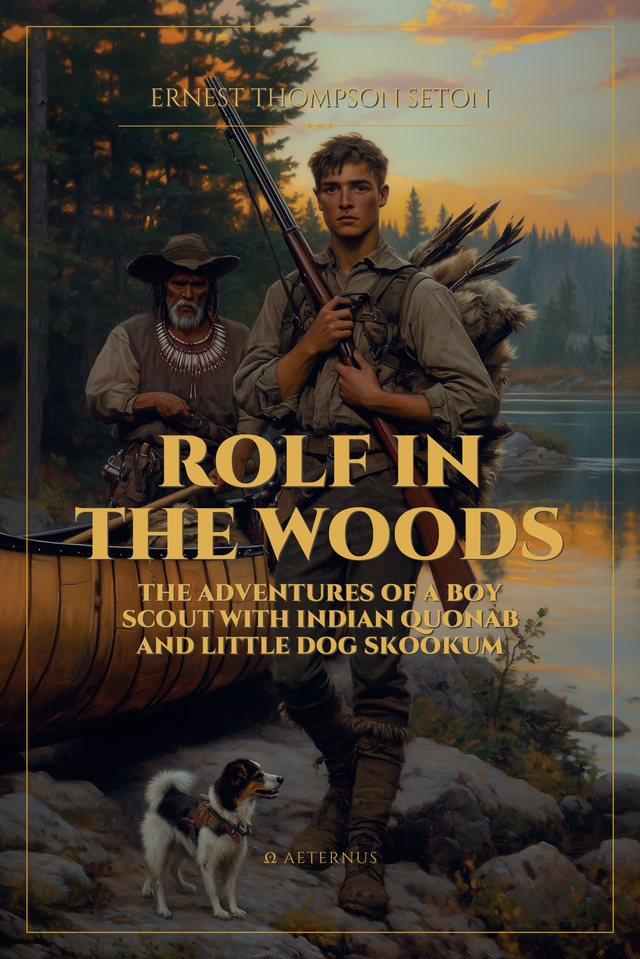
At sunrise, Quonab climbs the rock above his shelter and sings. Into his life comes Rolf, a boy who needs a home and has much to learn.
Explore the edition →Amber · Nature writing & character
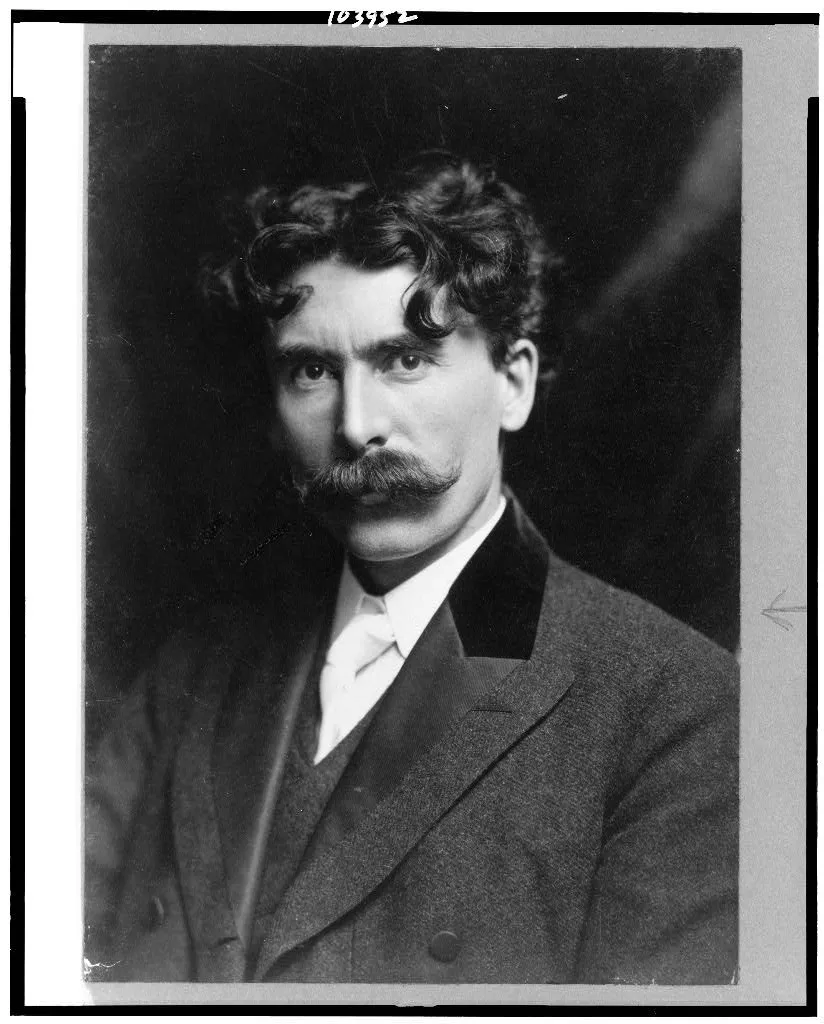
1860–1946
The wild as a school of close attention.
Naturalist, animal artist, and storyteller, Seton joined field observation to an ethic of responsibility and helped shape modern outdoor education.
AMBER
At sunrise, Quonab climbs the rock above his shelter and sings. Into his life comes Rolf, a boy who needs a home and has much to learn.
Explore the edition →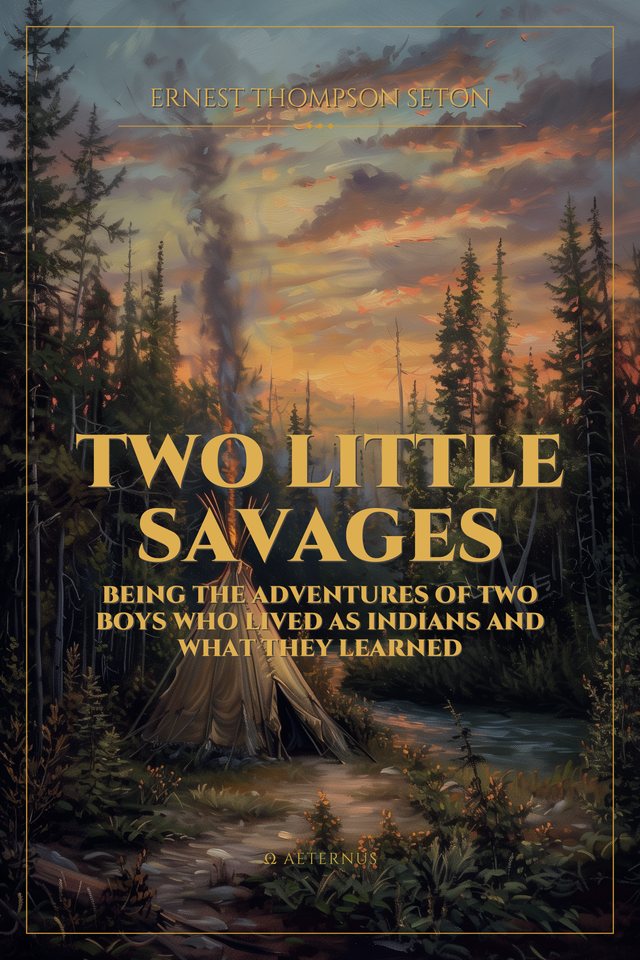
AMBER
Yan can spend hours at a taxidermist's window, longing to know the names of the birds. Give him a patch of woods, a friend like Sam, and the old woodsman Caleb, and that hunger becomes a life: a teepee to raise, tracks to read, a bow to make, a camp to keep going.
Explore the edition →
AMBER
Two thousand miles by canoe, with caribou somewhere ahead. In 1907 Ernest Thompson Seton traveled north with the naturalist Edward A. Preble, following waterways toward Great Slave Lake and the country beyond Aylmer Lake.
Explore the edition →AMBER
Lobo knows where the traps are. Silverspot knows his flock and his country. Raggylug has much to learn, and Molly is determined that he shall live to learn it.
Explore the edition →AMBER
Wahb begins as a cub beside his mother, learning where to find food and when to take shelter. Alone, he must learn the rest from the country itself. Seasons pass, wounds leave their marks, and the small bear becomes a formidable presence whose strength seems equal to every rival.
Explore the edition →AMBER
Two lambs, scarcely born, are already beyond a hunter's reach. A coyote learns from every narrow escape. A small dog discovers what it means to stand his ground.
Explore the edition →AMBER
A gray cat learns the uses of an alley. A pigeon has a continent of dangers between himself and home. A little terrier faces an enemy no sensible measure of size would allow him to challenge.
Explore the edition →AMBER
A small bear remembers honey and a familiar voice. Years later, the great bear of Tallac can break ropes, defeat traps, and send mounted men scrambling for safety. His strength has grown with his knowledge of the mountains.
Explore the edition →Life & context
Born in England in 1860 and raised in Canada, Seton found his earliest field laboratory in the landscapes of Manitoba and Ontario.
As artist and naturalist, he published richly illustrated animal stories, expedition narratives, and field manuals.
Seton treated animals as individuals with memory, strategy, and social bonds. His stories dramatize without abandoning behavioral observation.
For him, woodcraft meant independence built through attention, practice, and restraint.
The Woodcraft Indians and his role in the early Scout movement gave Seton's ideas international reach.
Today his work is read at once as literature, natural history, and testimony from a contradictory era.