
Green Series
The Relief of Chitral
The first-hand history of the siege and relief of Chitral, 1895, in the complete text of the first edition, with its map, frontispiece and twenty-two plates.
Explore the edition →
Life and work
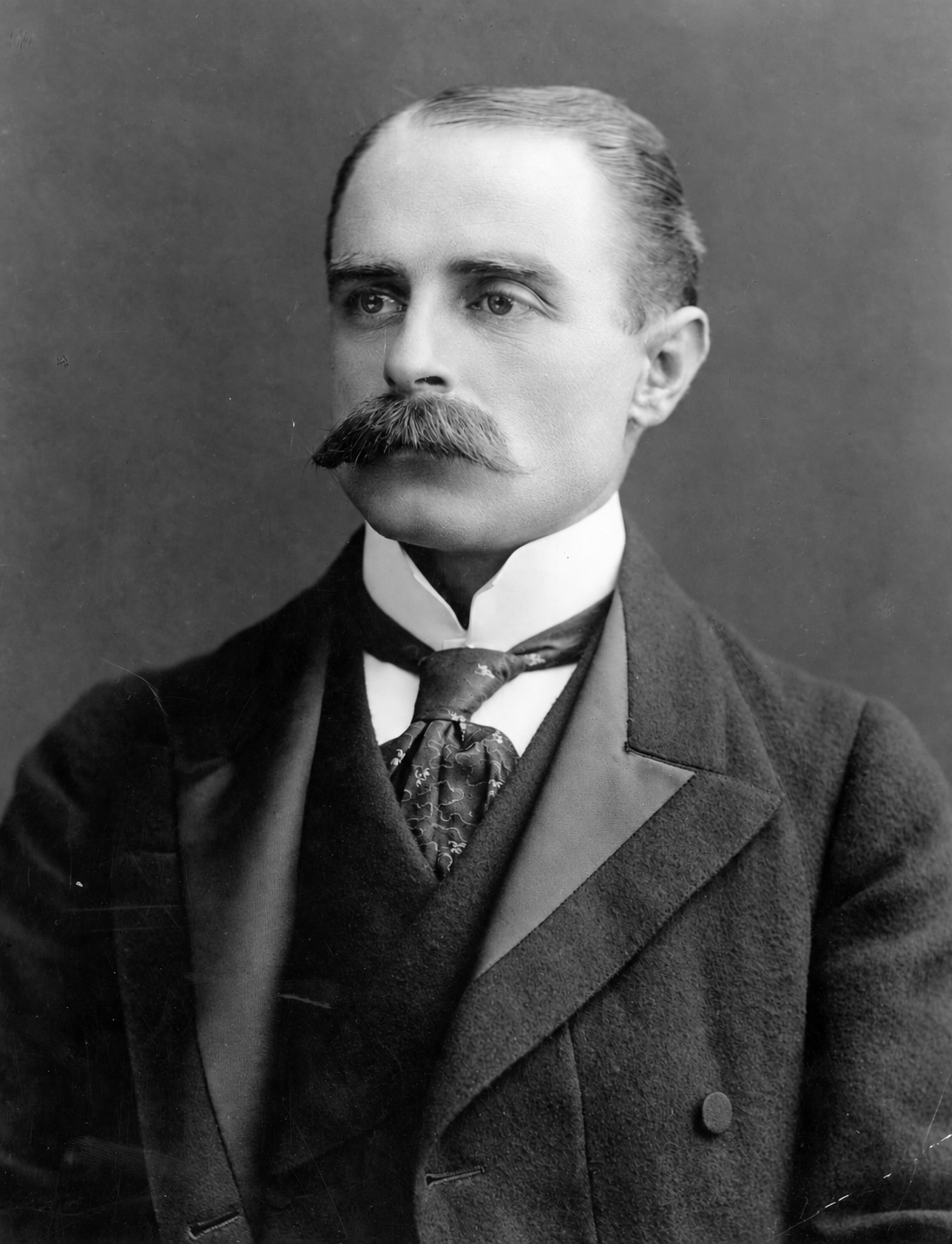
George John: 1859–1944 · Francis Edward: 1863–1942
Major-General Sir George John Younghusband · Lieutenant-Colonel Sir Francis Edward Younghusband
The Relief of Chitral
The Relief of Chitral is the joint work of two brothers, “constantly being mistaken for one another”, as their Preface says, who were present together in the same campaign and both served in it as correspondents of The Times. George wrote the chapters on Sir Robert Low’s advance; Francis wrote the rest.
Return to the editions ↓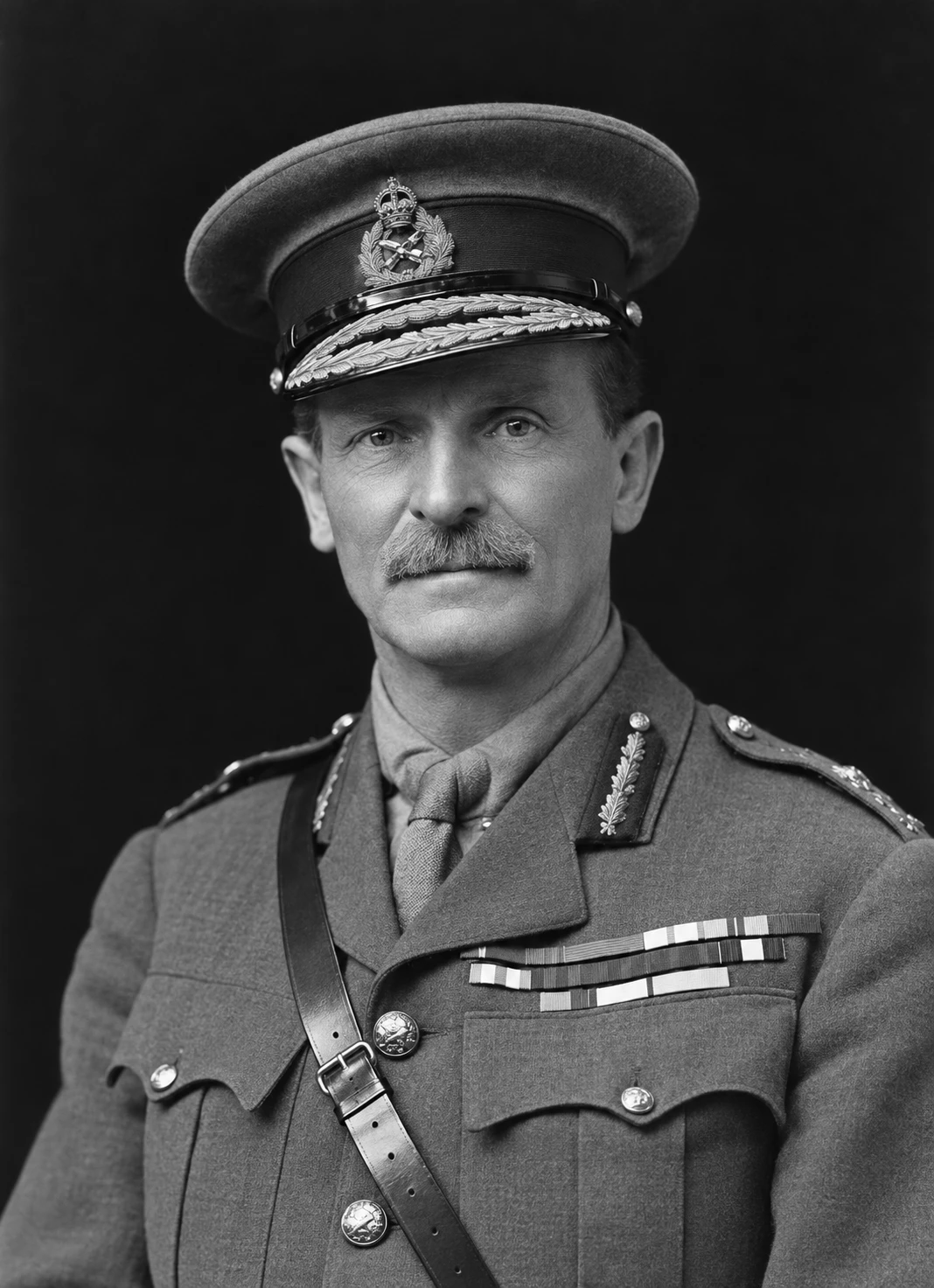
The first-hand history of the siege and relief of Chitral, 1895, in the complete text of the first edition, with its map, frontispiece and twenty-two plates.
Green Series
The first-hand history of the siege and relief of Chitral, 1895, in the complete text of the first edition, with its map, frontispiece and twenty-two plates.
Explore the edition →Life and work
The two brothers reached the frontier by different roads. George John, eldest son of Major-General John William Younghusband, served in the Afghan War of 1878–80, the Sudan, the Burma War, the Philippines and South Africa. Francis Edward, commissioned in the 1st (King’s) Dragoon Guards in 1882, passed into the Indian Staff Corps and the political service and made journeys through Manchuria, across the Gobi and Chinese Turkestan and over the Mustagh Pass before Chitral.
In 1895 George served throughout as Brigade-Major on Sir Robert Low’s staff and wrote the chapters on the mobilisation, the Malakand, the Swat, the Panjkora and the advance through Dir; after the relief he escorted Sher Afzul to India as a prisoner of war. Francis, who had held the political charge in Chitral and Mastuj until the autumn of 1894, went to the campaign as correspondent of The Times, rode into Chitral on 27 April and wrote the remaining chapters. Their later careers diverged: George became Major-General in 1911 and Keeper of the Jewel House at the Tower of London in 1917; Francis led the Tibet Mission of 1903–04.
Appointed in the year of his Pamir journey. Gazette reference open: the printed account gives the year only.
Promoted for the Chitral campaign in The London Gazette of 21 January 1896, as Captain, Queen’s Own Corps of Guides. Documented in the Gazette.
Received in South Africa, where he was severely wounded. The printed account gives the campaign, not the date of award. Gazette reference open.
Stated together with the Tibet Mission of 1903–04, which he led as British Commissioner. Gazette reference open: the printed account gives the year only.
Appointed while commanding the Derajat Brigade. Gazette reference open: the printed account gives the year only.
Created for distinguished service in the field, at Aden and in Mesopotamia. Gazette reference open: the printed account gives the year only.
Stated together with his retirement from the Indian Political Department as Lieutenant-Colonel. Gazette reference open: the printed account gives the year only.
The eldest son of Major-General John William Younghusband, C.S.I., George John Younghusband entered a career that crossed much of the military geography of the late Empire: the Afghan War of 1878–80, the Sudan in 1885, the North-West Frontier in 1886, the Burma War of 1886–87, the campaign in the Philippines in 1898, and South Africa in 1899–1902, where he was severely wounded, received the brevet of Lieutenant-Colonel and was made Companion of the Bath. He rose to Major-General in 1911, was appointed Knight Commander of the Indian Empire in 1913 while commanding the Derajat Brigade, and in the Great War, serving at Aden and in Mesopotamia, was created Knight Commander of St Michael and St George in 1915 for distinguished service in the field. From 1917 he was Keeper of the Jewel House at the Tower of London.
Before Chitral he had already written of soldiering and travel in Eighteen Hundred Miles on a Burmese Tat, Frays and Forays and The Queen’s Commission, the titles named beneath his own on the title-page of 1895.
In the Chitral campaign he served throughout on Sir Robert Low’s staff as Brigade-Major, and the despatches named him “a most smart, energetic, and promising staff officer”. He wrote the chapters on the mobilisation, the Malakand, the Swat, the Panjkora and the advance through Dir. After the relief it fell to him to escort Sher Afzul to India as a prisoner of war. The London Gazette of 21 January 1896 promoted him brevet Major for the campaign.
His chapters show the eye of the staff officer: the weight of a blanket against a baggage allowance, the gradient of a pass, the expenditure of ammunition, the time a regiment needs to climb a spur, and the difference between a pass on a map and a pass that an army must cross.
The second son of the same house, Francis Edward Younghusband was commissioned in the 1st (King’s) Dragoon Guards in 1882 and passed into the Indian Staff Corps and the political service. Before Chitral he had already made journeys of the first geographical importance in Manchuria, across the Gobi and Chinese Turkestan and over the Mustagh Pass into India; in August 1891, in the Pamirs, he was met at Bozai Gumbaz by the Russian Colonel Yonoff and escorted out of territory which Russian maps already claimed. In 1891 he was appointed Companion of the Indian Empire; in 1892 he was political officer in Hunza.
He knew Chitral as few Englishmen did. In January 1893 he crossed the Shandur with the mission of Surgeon-Major Robertson, remained in Chitral with the escort of Sikhs, then held the political charge at Mastuj, and in the autumn of 1894 rode down to the Mehtar’s capital with the Honourable George Curzon. He handed over the political charge of Chitral to Lieutenant Gurdon only a few weeks before Nizam-ul-Mulk was killed.
In the campaign of 1895 he was correspondent of The Times. He rode into Chitral on 27 April with Major “Roddy” Owen, ahead of Low’s advanced parties, and heard the defenders’ account of the siege within days of its end. His chapters on the causes of the war, the disasters to Ross and Edwardes, the defence of the fort and Kelly’s march are written from that knowledge.
His later fame belongs to another chapter of the same frontier history. As British Commissioner he led the Tibet Mission of 1903–04 to Lhasa and was created Knight Commander of the Indian Empire in 1904; he retired as Lieutenant-Colonel from the Indian Political Department and was created Knight Commander of the Star of India in 1917.
Macmillan and Co. published The Relief of Chitral in October 1895; the book was reprinted in October and December 1895, April 1896 and 1897. By their own statement the authors drew on the official despatches in the Gazette of India, the Blue Book on Chitral affairs presented to Parliament and their own letters to The Times. The Preface of 1895 assigns Chapters III to V, on Sir Robert Low’s advance, to George and the other chapters to Francis.
The Shilling Edition of 1910 carries “a few verbal corrections and some slight additions” and omits the eighth chapter, “The Present Situation”. In it the authors discuss the settlement after the relief, the future position of Chitral, the suzerainty of Kashmir and the strategic object of maintaining influence on the northern frontier. This edition restores it with the text of 1895.
The weight of the book lies in its position: a staff officer’s account of Low’s march and a former political officer’s account of Chitral, written within months and from first-hand knowledge. The title-page of this edition gives the authors’ ranks and appointments as printed in 1895; their later ranks and honours appear only in the account of the authors, and the honours above are given as that account states them.
Francis Edward Younghusband: his separate author page and The Epic of Mount Everest.